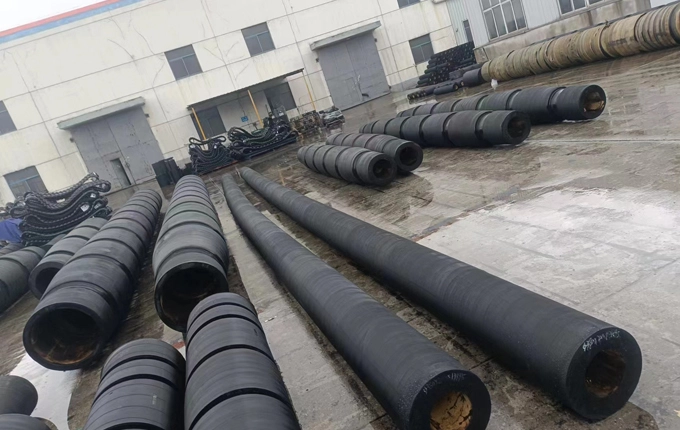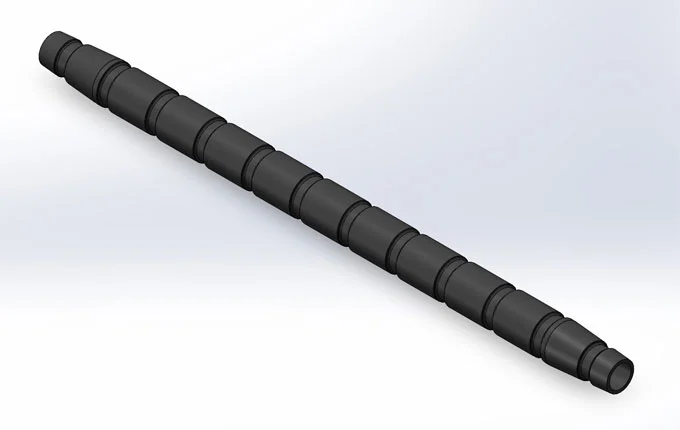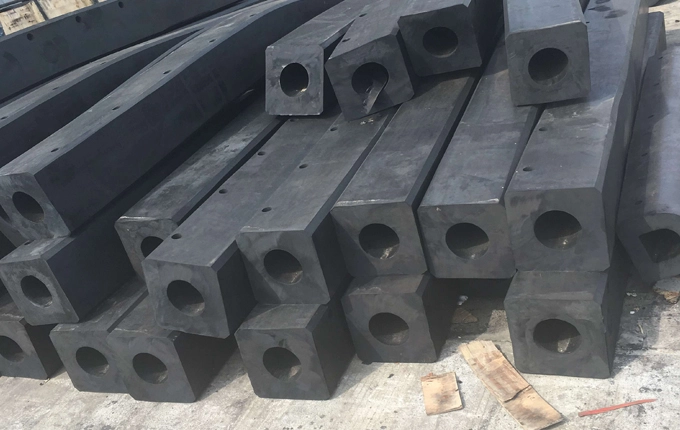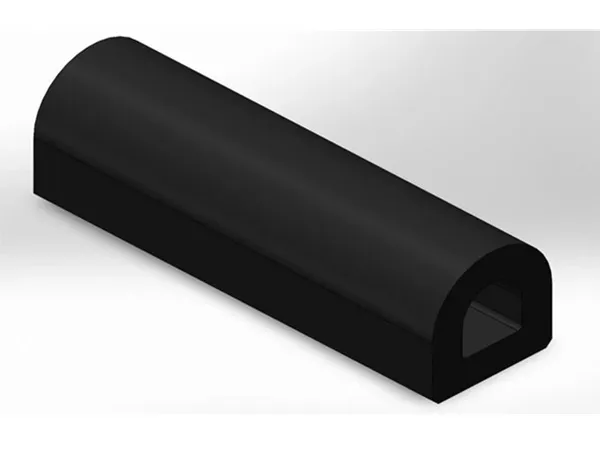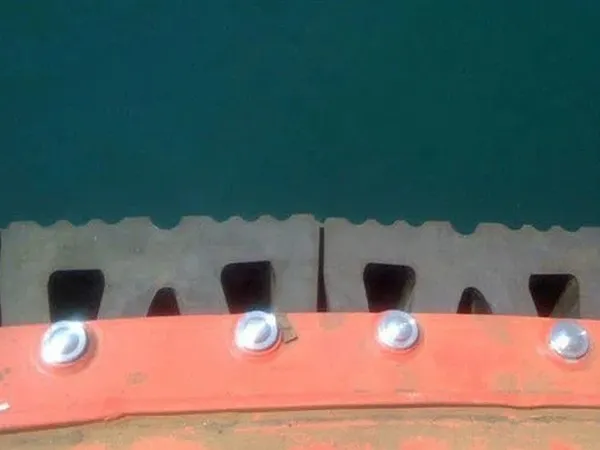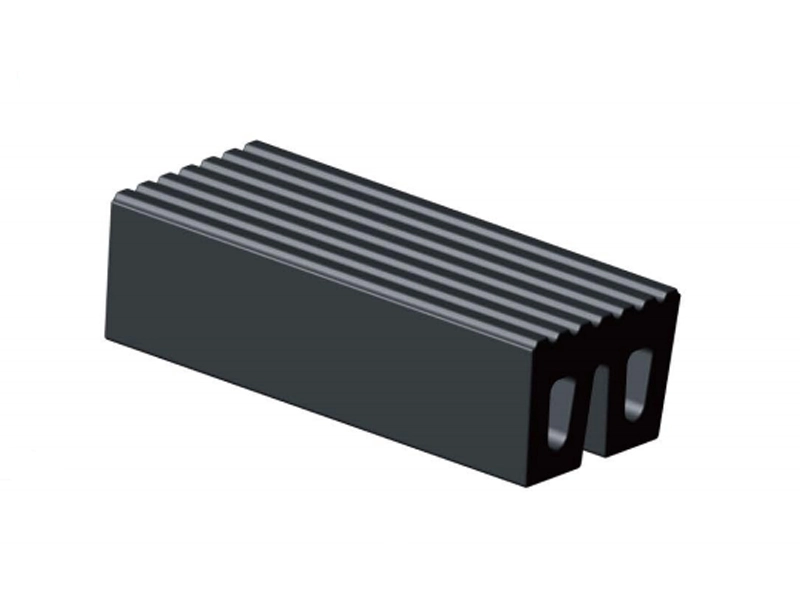
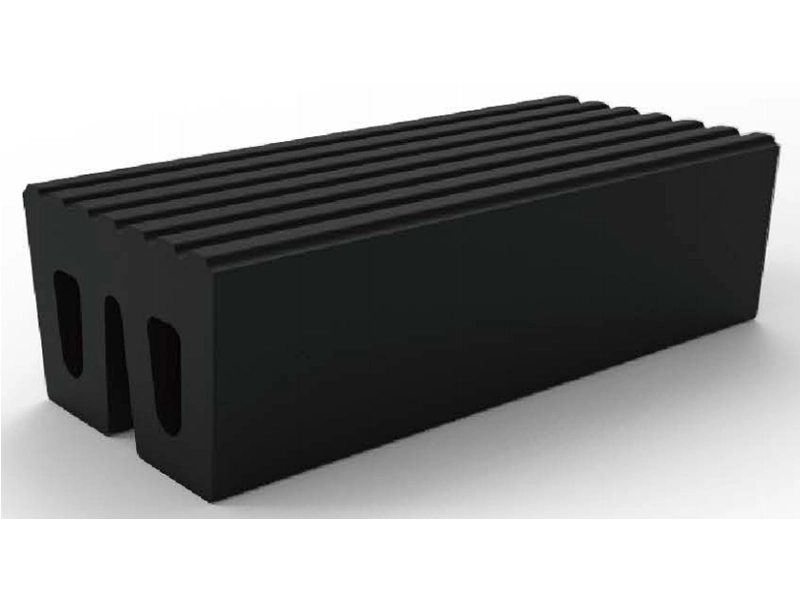
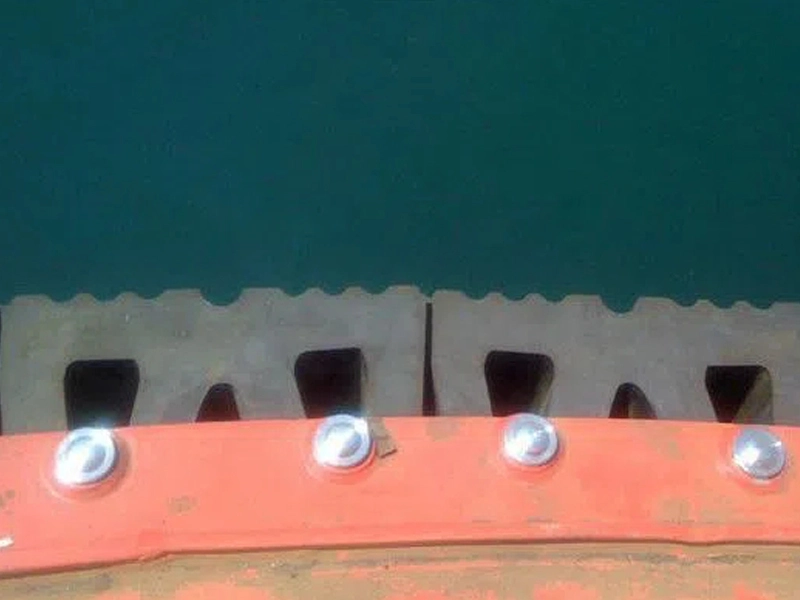


W-Fenders are made for the most extreme operating conditions.
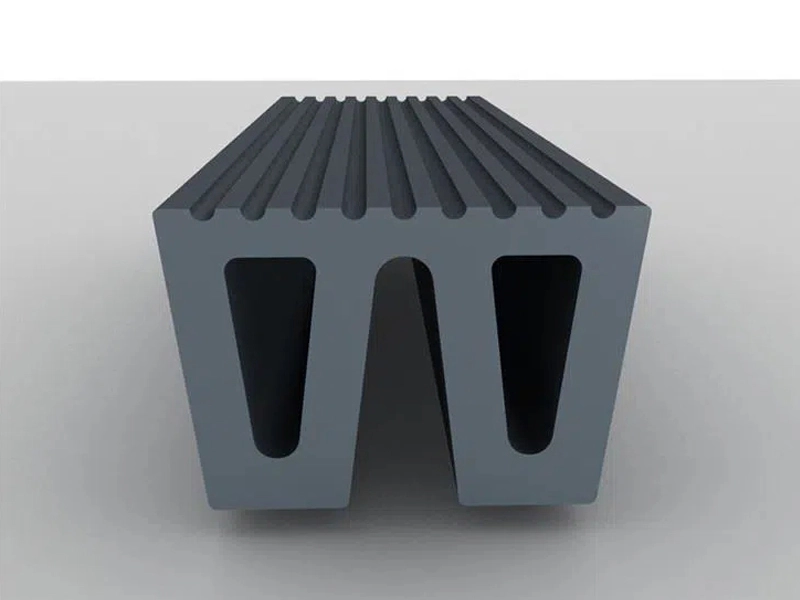
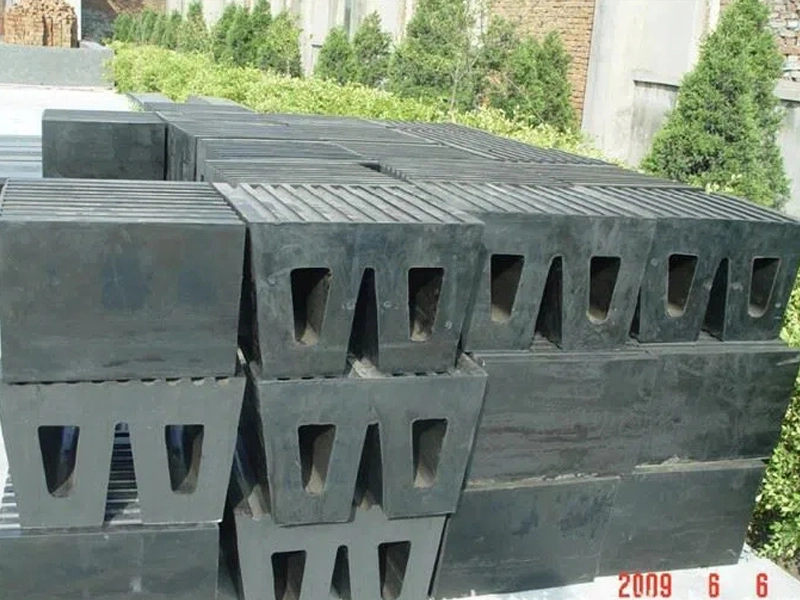
We have a patent for the design of W-Fenders. The W-fender is one of the most successful fenders for tugs in the world today.
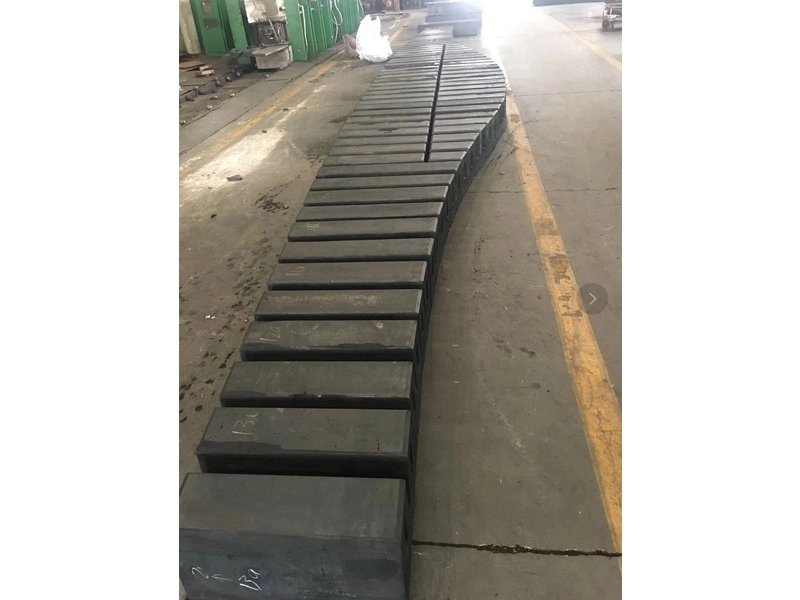
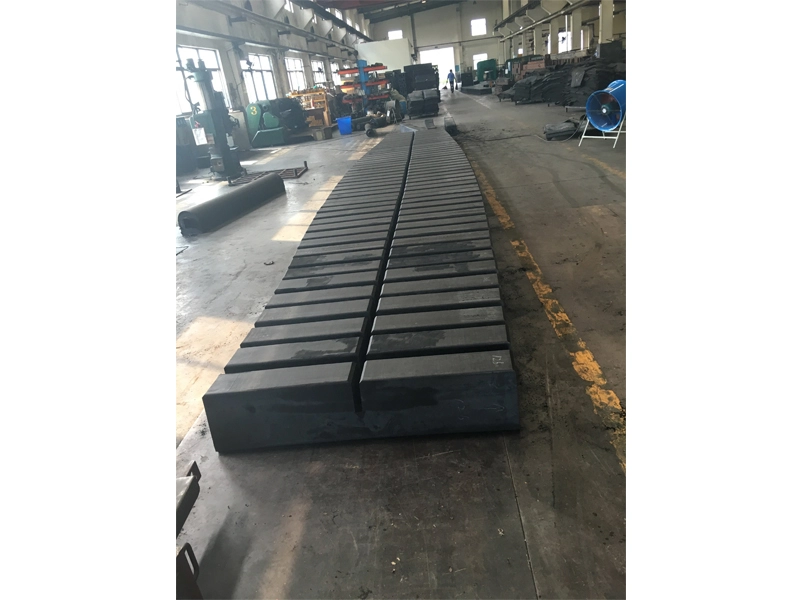
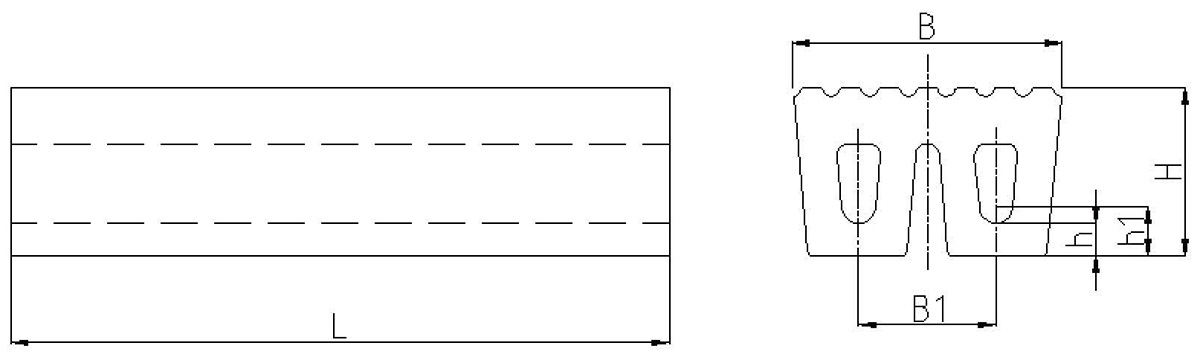
It has a unique ''open bore''design which makes installation very simple. The flexible legs allow W-fenders to be curved around most hull shapes.
Perforamnce Curve
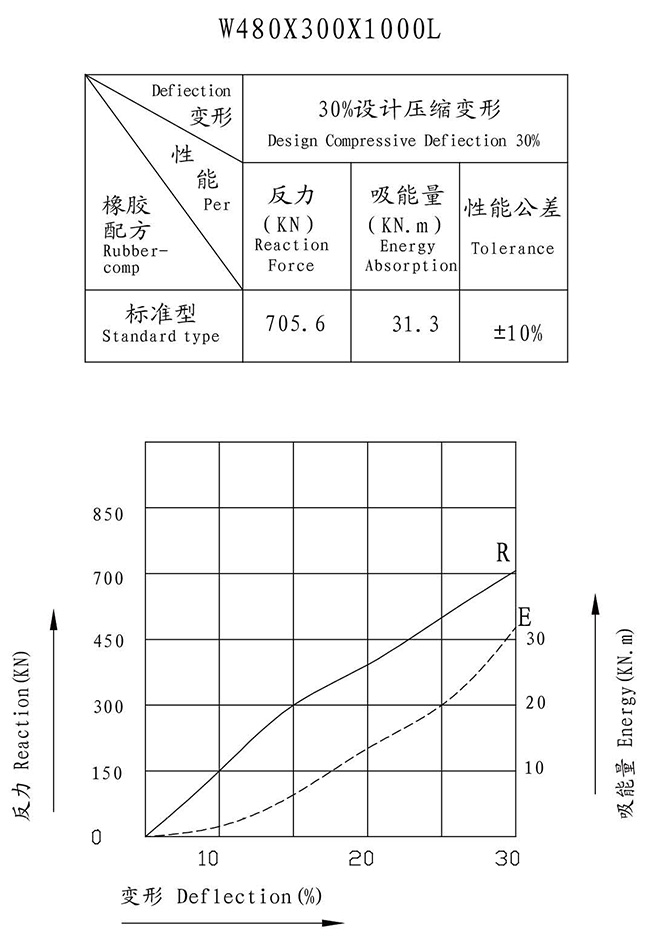
lt absorbs high energy with low reaction.
Convenient in mounting and repair.
lt is available in bow bottom and stern of the vessels.
Unlike standard fendering solutions, our patented W-Type Rubber Fender is engineered to solve the two most common pain points in maritime operations: Installation Complexity and Durability under Shear Force.
Innovative Open-Bore Design: Our patented "open bore" construction allows for much simpler and more secure mounting using standard pins. This eliminates the need for complex internal hardware that often fails in harsh environments.
Superior Flexibility: The unique twin-leg structure allows the fender to be curved around the most extreme hull contours (bow and stern) without compromising structural integrity or risking rubber tearing.
Enhanced Stability: The wider base provides a larger contact area, significantly reducing surface pressure and preventing the fender from shifting or "rolling" during heavy impacts.
| Feature | W-Type Rubber Fender (Tonly) | Standard Cylindrical Fender |
| Energy Absorption | Very High (Optimized twin-leg design) | Moderate |
| Reaction Force | Low (Protects vessel hull better) | Higher at same energy levels |
| Installation | Easy & Secure (Open-bore pin fixing) | Chains and steel bars required |
| Flexibility | Extreme (Fits tight curves/bows) | Limited (Rigid body) |
| Contact Area | Wide & Stable (No rolling) | Narrow (High surface pressure) |
| Durability | High abrasion & UV resistance | Standard wear resistance |
| Best For | Tugs, Icebreakers, Heavy-duty Workboats | General berths, pontoons, small boats |
Installing Tonly's W-Fenders is efficient and requires minimal specialized hardware due to its unique open-bore structure.
Preparation & Layout: Measure the hull or dock surface and mark the positioning for the mounting pins. Ensure the surface is clean and free of sharp debris.
Mounting Pin Insertion: Insert high-tensile steel pins or bars through the open-bore design of the W-fender. This internal support ensures the fender stays rigid during high-impact berthing.
Positioning & Curving: Align the fender legs with the hull profile. Thanks to the flexible twin-leg design, you can easily curve the fender around the bow or stern without pre-bending the rubber.
Final Securing: Bolt the mounting pins into the pre-welded or pre-drilled brackets on the vessel or dock. Tighten all fasteners to the specified torque to prevent loosening under vibration.
Inspection: Conduct a final visual check to ensure the fender sits flush against the hull and the reaction legs are properly supported.
The primary advantage of the W-Type Rubber Fender is its superior energy absorption-to-weight ratio. Unlike cylindrical fenders, the W-design features a unique twin-leg structure that provides a much wider contact surface, preventing "rolling" or shifting during aggressive berthing. Additionally, its open-bore design allows for a more secure and simplified installation using internal pins, reducing the long-term maintenance costs and hardware failure risks common in traditional D-fenders.
Yes, absolutely. One of the standout features of Tonly’s W-fender is its extreme longitudinal flexibility. The grooves between the legs allow the fender to be easily curved and fitted around the most demanding bow and stern contours of tugboats and workboats. This eliminates the need for pre-curved segments, making it a versatile "one-size-fits-all" solution for various hull shapes without risking rubber fatigue or tearing.
Tonly W-Fenders are engineered for a service life of 10 to 15 years, depending on usage frequency and environmental conditions. Our fenders are manufactured from high-grade, UV-stabilized, and ozone-resistant rubber compounds that withstand extreme saltwater exposure and temperatures ranging from -40°C to +50°C. For extreme applications like icebreakers, we offer reinforced compounds to enhance abrasion resistance.
Not at all. Thanks to the patented open-bore design, the installation is straightforward. By using simple high-tensile steel pins through the bore, the fender is securely anchored to the vessel or dock. This design not only speeds up the initial installation but also makes replacing individual sections much easier compared to fenders that require complex chain or strap systems.
Yes. All Tonly rubber fenders are manufactured and tested in accordance with PIANC 2002 guidelines and ISO 17357 standards. We provide material test reports (MTR) and performance curve certifications with every shipment to ensure the highest safety and quality for your vessels.
Need top-quality rubber fenders for boats and docks? Tonly offers premium, durable fenders for exceptional protection. Ideal for commercial or recreational use. Contact us for more details.

 EN
EN