
A damaged tug fender isn't just a cosmetic issue—it's a critical safety and operational risk. From reduced impact absorption to potential hull damage, a compromised fender can lead to costly downtime and repairs. Understanding your boat fender repair options is essential for maintaining operational efficiency. This guide from Tonly, a leading tug fender manufacturer, outlines four common approaches to managing fender damage, helping you decide between a quick fix and a professional solution.
Not all damage requires a full replacement. Use the following guide to determine the most cost-effective and safe action for your tugboat fendering system:
| Damage Severity | Recommended Action | Expected Outcome & Benefit |
| Surface Scratches & Abrasions | Method 2: Cold Bonding | Restores aesthetics, seals small cracks, and maintains UV protection. |
| Deep Tears or Serious Cuts | Method 1: Hot Vulcanization | Structurally restores $90\%+$ of original strength; extends service life by years. |
| Internal Cracks or Crushed Core | Full Replacement | Critical! Only a new fender ensures the safety of the vessel hull and dock structure. |
| Mounting Hole / Bolt Failure | Reinforcement or Replacement | Prevents the fender from detaching during heavy berthing operations. |
| Chemical or Oil Degradation | Full Replacement | Rubber elasticity is compromised; repair is usually ineffective. |
Expert Tip from Tonly:
As a professional tug fender manufacturer, we recommend a thorough inspection every 6 months. While hot vulcanization (Method 1) is a highly effective "professional solution" for deep cuts, the decision to repair should always prioritize the energy absorption capacity of the fender. If the rubber's structural integrity is compromised by a crushed core, replacement is the only way to prevent costly downtime and potential hull damage.
Repair method
1. Use a sander to clean the damaged position of the repaired fender, clean the residue with a brush, then flatten the fender and apply glue.
2. According to the size of the overlap, place the repair material (suspended rubber cord cloth) horizontally and vertically, and put the outermost layer in the fender so that it can be applied to the middle of the rubber sheet (pure rubber sheet) and brushed.
3. Put the heating plate on the repair material, put the jack on the heating plate, and then lift the jack to the top of the mouth-shaped bracket.
4. Press the jack until it is pressed by hand.
5. Turn on the power and activate the start button on the control cabinet to start maintenance.
6. When the temperature is reached, the heating device automatically stops. After stopping, the temperature of the heating plate rises, then the temperature drops and drops below 80°C, and the repair is completed.
7. Remove the jack, remove the heating plate, and then repeat the above steps to repair the damaged fender.
A professional hot vulcanization repair performed by Tonly can extend a tug fender's operational life by 3 to 5 years. The exact longevity depends on the frequency of berthing operations and the harshness of the marine environment. This method restores the rubber's structural integrity, making it far more durable than temporary cold patches.
It depends on the repair method. Minor cold bonding (for surface abrasions) can be done on-site. However, for hot vulcanization (Method 1), we strongly recommend removing the fender. Removing it ensures our technicians can apply even pressure and precise temperature control using the jack and heating plates, which is critical for a successful, long-lasting fix.
Generally, no. Chemical or oil degradation often compromises the rubber's molecular structure, leading to a loss of elasticity and "sponginess." In such cases, repair methods like vulcanization won't be effective, and a full replacement is the only safe option to ensure hull protection.
The suspended rubber cord cloth acts as a reinforcement layer, similar to the rebar in concrete. By placing it horizontally and vertically during the repair, we restore the fender's tensile strength and impact resistance, preventing the tear from reopening under pressure.
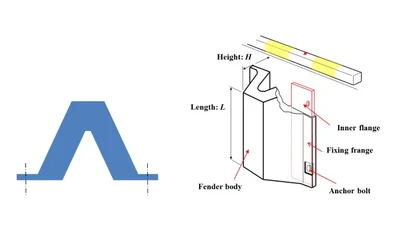 Rubber fenders without fender panelsDecember 16, 2024V-type rubber fenders are considered as rubber fenders without fender panels. A V-type rubber fender has a V-shaped cross section with steel plates embedded in the fixing flange portion for installati...view
 TONLY Participates 2025 Türkiye International Maritime ExhibitionMarch 11, 2025From February 18 to 21, 2025, TONLY participated in the Turkey International Maritime Exhibition held at Istanbul Exhibition Center in Istanbul. As one of the largest maritime exhibitions in Turkey, i...view
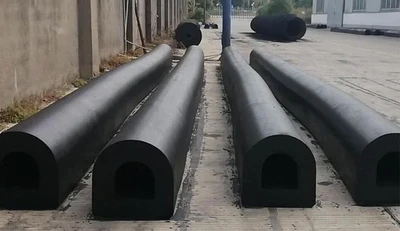
 Unleashing the Power of Tug & Boat Rubber FendersOctober 17, 2024Tug & Boat Rubber Fenders are essential components in the maritime industry, providing critical protection for vessels during docking and maneuvering. Tonly Rubber, a reputable brand known for its...view
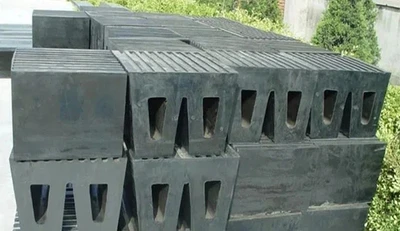
 Exploring Marine Safety Solutions: Square Type Rubber Fender, UHMWPE Marine Fender, and DO Type Rubber Fender by TonlyJune 13, 2023Marine operations demand robust and reliable fender systems to ensure the safety and longevity of vessels and port infrastructures. Today, we delve into three specific kinds of fenders: the Square Typ...view
 English
  français
  Español
  русский
  Türkçe