
Tug & Boat Rubber Fenders are essential components in the maritime industry, providing critical protection for vessels during docking and maneuvering. Tonly Rubber, a reputable brand known for its high-quality fender solutions, offers a comprehensive range of these products—including specialized tug fenders—designed to enhance safety and efficiency in marine operations. This blog will explore the significance of these fenders, the various types available, and maintenance tips to ensure their longevity.
Tug & Boat Rubber Fenders play a vital role in protecting vessels and docks from damage during berthing and towing operations. When tugs assist larger vessels in docking or navigating tight spaces, the potential for collisions increases. The rubber fender for sale serves as a cushion, absorbing the shock and preventing impact damage to both the tug and the towed vessel. These fenders are particularly important in busy ports where multiple vessels operate simultaneously. A well-designed fender system can reduce the risk of accidents, ensuring smooth operations and minimizing downtime. Tonly Rubber’s Tug & Boat Rubber Fenders are engineered to withstand harsh marine environments, providing durability and reliability even under extreme conditions. This protection translates into significant cost savings by reducing repair needs and prolonging the lifespan of both tugs and boats.
Tonly Rubber offers a diverse range of Tug & Boat Rubber Fenders, each tailored to specific operational requirements. Here are some of the most common types:
D-shaped Fenders: Known for their versatility, D type fenders are widely used in tug and boat applications. Their design allows for effective energy absorption, making them suitable for a variety of vessel sizes. They are particularly effective in reducing impact forces when tugs are maneuvering close to larger ships.
Square Fenders: Ideal for corner protection, square fenders provide excellent resistance against impacts. They are often used on tugboats to protect against collisions with docks and other vessels during operations.
Cone Fenders: These fenders offer a unique shape that provides excellent energy absorption and stability. Their design makes them particularly effective for tugs working in areas with strong currents or rough conditions.
Each type of tug boat rubber fender from Tonly Rubber is crafted with high-quality materials, ensuring they can withstand the rigors of marine operations. Choosing the right fender is crucial for optimizing safety and operational efficiency.
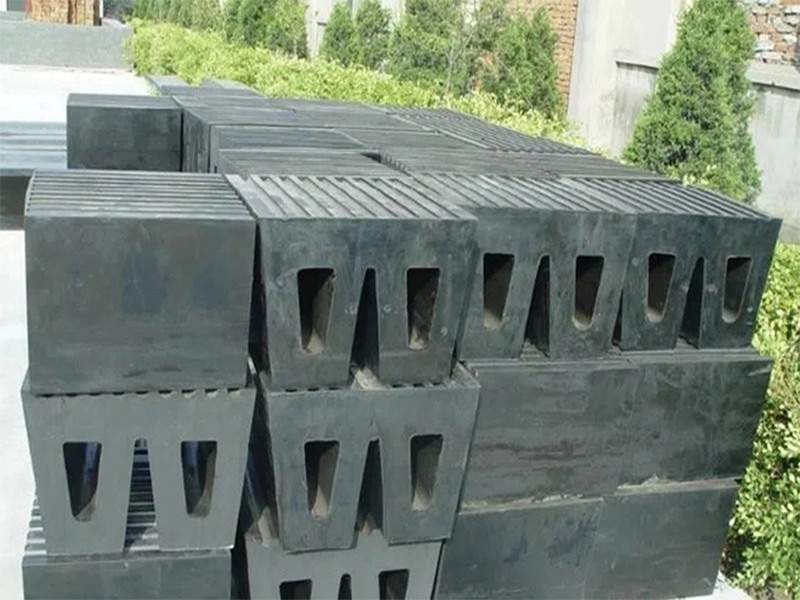
To maximize the performance and lifespan of Tug & Boat rubber fender china, regular maintenance is essential. Here are some practical tips:
Regular Inspections: Conduct frequent checks for signs of wear and tear, such as cracks, abrasions, or deformation. Early detection of issues can prevent more serious problems and ensure fenders remain effective.
Cleaning: Keep fenders clean from debris, salt, and marine growth. Use mild cleaning agents and soft brushes to maintain the integrity of the rubber material. Avoid harsh chemicals that could cause deterioration.
Proper Storage: When not in use, store fenders in a cool, dry place away from direct sunlight. This helps prevent UV damage and prolongs the life of the rubber material.
Monitor Usage Conditions: Be mindful of the environmental conditions where the fenders are used. If operating in areas with strong currents or heavy traffic, more frequent inspections and maintenance may be necessary.
By adhering to these maintenance practices, operators can ensure that Tug & Boat Rubber Fenders continue to provide optimal protection and performance over time.
Tug & Boat Rubber Fenders are indispensable for ensuring the safety and efficiency of maritime operations. With Tonly Rubber’s commitment to quality and reliability, customers can trust that their fender systems will deliver exceptional performance in demanding conditions. Understanding the importance, types, and maintenance of Tug & Boat Rubber Fenders will help safeguard your investments and enhance overall operational success. Choose Tonly Rubber for all your fender needs, and experience the difference in quality and performance.
 3 Common Causes of Rubber Fender Damage & How to Prevent ThemDecember 16, 20241. Ship overloadedThis kind of damage often occurs in rubber fenders, especially some old rubber fenders, which often crack at the weak points of the structure. The cracks are generally along the leng...view
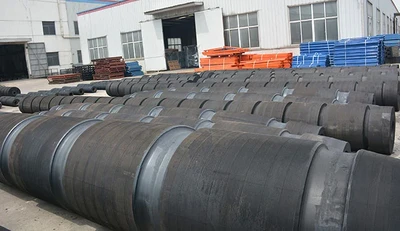 How to choose the right raw material for rubber fenders?December 16, 2024The choice of rubber fender material is a technical one, allowing the selection of a variety of raw rubber and compounding agent varieties and amounts suitable for the mixing, rolling, moulding and vu...view
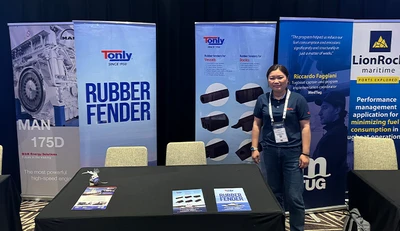 TONLY Participates International Tug & Salvage Community 2025March 11, 2025TONLY Participates International Tug & Salvage Community 2025view
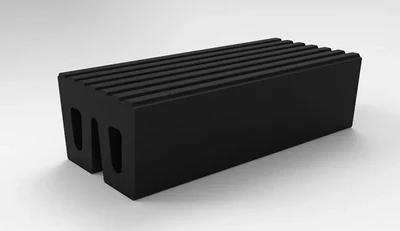 W-type rubber fender performance advantagesDecember 16, 2024W-type rubber fender application: usually fixed on the steel structure shock-proof board with bolts and nuts, there are exceptions, it is directly fixed on the cement wall of the wharf, shock-proof wo...view
 English
  français
  Español
  русский
  Türkçe