
What exactly are marine rubber fenders? For the ordinary person, it may seem weird to have so many weird-looking shapes hovering beside a port or harbour, unclear of what they are for. Even when a person is able to speculate the use of these usually-black structures is to be the “bumper” for ships to berth against, many do not understand the implications and why they come in various shapes, with some being really unique designs. Besides, many thought that the use of old rubber tyres are enough to absorb collision for berthing.
However, the berthing force is not to be underestimated. Depending on the speed, a medium-sized ship is able to destroy the dock if there are miscalculations or if the energy is not efficiently absorbed by the “bumpers”. Or worse, if there’s no fenders to absorb the collision.
Ships coming into contact directly with the quay wall or shore is no joke!
Imagine ports/harbours without marine fenders to absorb berthing collision, quite a scary thought right?
Since ocean is the most cost-efficient transportation in the world, (Yes, it still is) there are hundreds of thousands ships, of all sizes and kinds, around us. From the use of fishing vessels, to bulk carriers, to container vessels, there are a lot of ship types out there that need reliable “bumpers“.
For years, we used timber, old tyres etc. Until so much innovation in this area that our ships slowly got bigger, faster, and becoming these mega monster-sized structures that transport your daily products made from another side of the planet. But as ships got bigger, the old timber and tyre structures just aren’t strong enough to absorb efficiently. We needed a better solution.
That is why marine fenders were invented. And it still is constantly under innovation to be more efficient, strong, and able to cope with the new ship designs. That is why you see them coming in all types of sizes, shapes and some of them complement others perfectly when used together.
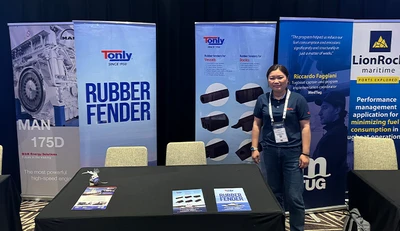 TONLY Participates International Tug & Salvage Community 2025March 11, 2025TONLY Participates International Tug & Salvage Community 2025view
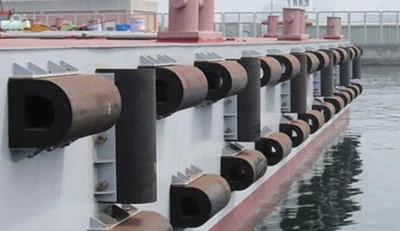 Cost strategy of marine rubber fenderDecember 16, 2024With the development of China's shipping industry, the demand for marine and terminal fenders continues to increase. Among them, marine rubber fenders are the most widely used for toughness and im...view
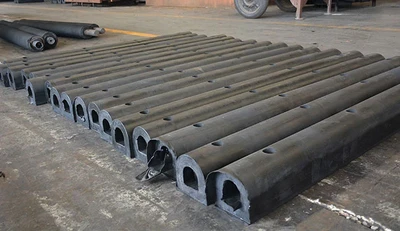 Transportation method of tug fenderDecember 16, 2024If many customers choose tug fenders, transportation is the key. How to choose the transportation method that suits you is a problem that needs to be solved.(1) Deflated air transportationAdvantages: ...view
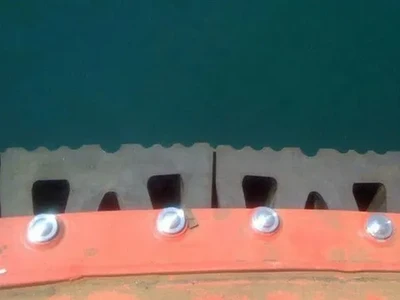 The Science Behind W Rubber Fenders: How They Absorb ImpactDecember 17, 2025The primary function of a W rubber fender is to absorb the energy of an impact between a vessel and a dock, buoy, or another ship, ensuring that the boat's hull remains protected from damage. This...view
 English
  français
  Español
  русский
  Türkçe