
In the volatile environments of offshore energy and busy maritime corridors, standard protection often falls short. High-impact rubber fenders are specifically engineered to absorb massive kinetic energy during vessel-to-vessel transfers and berthing at offshore platforms. For owners of tugboats, workboats, and offshore structures, choosing the right high-impact solution is the difference between operational continuity and costly structural repairs.
Not all rubber is created equal. High-impact fenders are characterized by their high tensile strength and superior elongation properties. As a leading marine rubber fender manufacturer, Tonly utilizes specialized compounding techniques to ensure our fenders maintain their shape and energy absorption capacity even after repeated extreme compressions.
Offshore Platforms: Protection for oil rigs and wind farm service vessels.
Ship-to-Ship (STS) Transfers: Buffering between large tankers or carriers.
Heavy-Duty Tug Operations: Specialized protection for the bow and side during pushing maneuvers.
Different structures require different energy absorption profiles. Below is a guide to selecting the right high impact rubber fenders for boats and marine environments.
Fender Profile | Impact Resistance | Primary Application | Recommended Product |
D-Type Fender | High | Workboats & Pontoons | |
W-Type Fender | Very High | Extreme Tug Pushing | |
Square Fender | High | Quays & Ship Sides | |
Cylindrical | Medium-High | Multi-purpose Berthing |
To achieve true high-impact protection, the fender system often requires a composite approach. For offshore structures, we frequently recommend integrating UHMWPE Fender Panels. These panels provide a slick, low-friction surface that prevents the fender from being "torn" by the movement of the ship in heavy swells.
As noted in our previous discussion on Super Cell Fenders, managing the reaction force is critical. In offshore applications, a high-impact fender must absorb energy without transferring excessive loads to the platform’s jacket or the vessel's hull.
Even the most robust marine fendering manufacturers' products require oversight. To maximize the ROI of your high-impact fenders, follow these industry best practices:
Regular Inspection: Check for signs of "compression set" or surface cracking. See our guide on inspecting marine fenders for a checklist.
Correct Mounting: Ensure that fixing bolts and chains are made of corrosion-resistant materials suitable for offshore fenders.
Repair vs. Replace: Minor gouges can often be addressed. Consult our four methods to repair damaged fenders to extend service life.
A: For extreme pushing, Keyhole Fenders and W-Type fenders are preferred due to their massive energy absorption and stability. For side protection, D-type or specialized boat side rubber fenders are recommended.
A: Every batch of our high-impact rubber undergoes rigorous vulcanization pressure testing. We provide ABS and BV Design Assessment Certificates to verify that our fenders meet international maritime safety standards.
A: Yes. We offer non-marking fenders specifically for yachts and white-hulled vessels that require high-impact protection without leaving black streaks on the hull.
Secure Your Maritime Assets Today. Whether you are outfitting a new tugboat fleet or upgrading an offshore terminal, Tonly is your trusted china rubber fender supplier. We offer tailored solutions from DD-Type to complex composite systems. Contact our engineers for a technical consultation and quote.
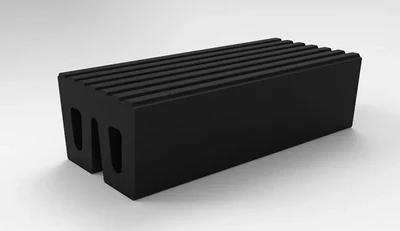 W-type rubber fender performance advantagesDecember 16, 2024W-type rubber fender application: usually fixed on the steel structure shock-proof board with bolts and nuts, there are exceptions, it is directly fixed on the cement wall of the wharf, shock-proof wo...view
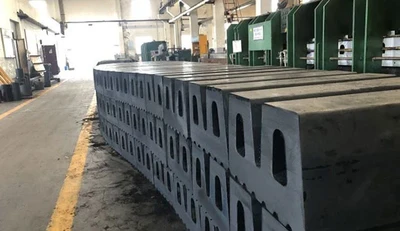 Requirements for the construction of rubber fendersDecember 16, 20241. All construction teams must follow the various management plans of the project department,comply with management,and achieve safe production and civilized construction.2. On-site construction worke...view
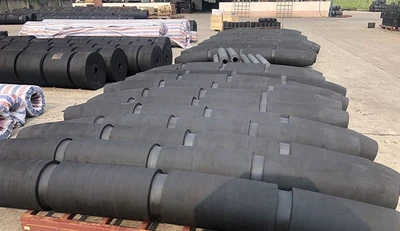 Guidelines for the Maintenance of Rubber FenderDecember 16, 2024The marine rubber fender is a very important maintenance item in the ship's post. However, all ships sailing must be equipped with marine fenders, so as to ensure the personal safety of the person...view
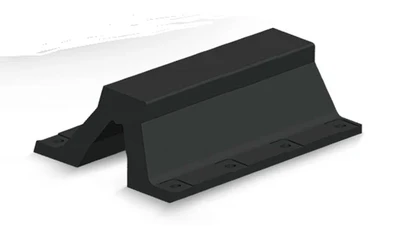 Protecting Your Vessel with Tonly's Tug & Boat Rubber Fender and Dock Rubber FenderMay 12, 2023When it comes to safeguarding your boat or ship, the importance of high-quality marine fender systems cannot be overstated. These protective devices serve as the first line of defense against collisio...view
 EN
EN