
A rubber fender is a shock absorber installed on a quay to absorb the berthing energy of a ship to cushion the impact. In the the past, before rubber fenders that could effectively absorb mooring energy were developed, timber and old tyres were used.Development.
As ships have become larger, rubber fenders have been enhanced in terms of performance and size. A key factor in choosing rubber fenders is the effective mooring energy of the ship.
As the size of a ship increases, rubber fenders need to absorb a significant amount of energy, whereas with inverted rubber fenders, the reaction force does not increase significantly.
The reaction force does not increase significantly and is therefore widely used.
Once you have selected the right type of fender, accurate measurement is the next critical step. Understanding how to measure boat fenders is essential to guarantee a proper fit and optimal performance—ensuring you order the correct size product.
Do not try to measure the diameter, always measure the circumference.
Do not use a standard tape measure as it can get tangled when you measure the circumference, resulting in an inaccurate measurement; always use a soft tape measure or a piece of string.
When measuring lengths, do not drape the tape measure over the ends of the fender; always use a straightedge or yardstick to measure from the far end to the far end.
When measuring a two-eye fender, include your eyes in your straight length measurement as this is how the manufacturer reports the length.
 D Type Rubber Fenders with Fender FrameDecember 16, 2024view
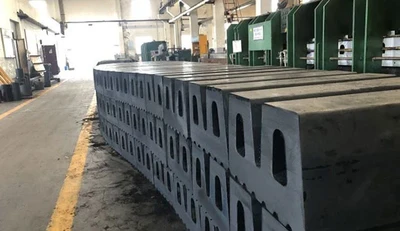 Requirements for the construction of rubber fendersDecember 16, 20241. All construction teams must follow the various management plans of the project department,comply with management,and achieve safe production and civilized construction.2. On-site construction worke...view
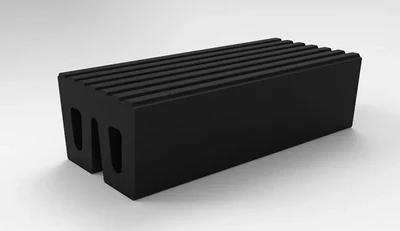 W-type rubber fender performance advantagesDecember 16, 2024W-type rubber fender application: usually fixed on the steel structure shock-proof board with bolts and nuts, there are exceptions, it is directly fixed on the cement wall of the wharf, shock-proof wo...view
 How to regularly inspect marine rubber fenders?December 16, 2024After installing the marine rubber fender, when the ship is docked for inspection, it should be inspected every time. Regardless of whether it is parked for inspection or not, it should be inspected r...view
 English
  français
  Español
  русский
  Türkçe