
Choosing the right marine rubber fender depends on vessel size, berthing energy, operating conditions, installation environment, and operational requirements. The correct fender system should absorb impact forces effectively, reduce hull damage, and ensure safe and efficient vessel operations.
Vessel operators should evaluate fender performance parameters such as energy absorption, reaction force, durability, and maintenance requirements before selecting a suitable rubber fender type.
Selecting marine fenders requires a detailed analysis of both vessel and operating conditions. The main factors include:
The displacement, speed, and approach angle of a vessel directly affect impact energy. Large container ships, tankers, and offshore vessels require higher-capacity vessel fenders with greater energy absorption performance.
A properly designed fender system prevents excessive reaction forces that may damage vessel structures.
Energy absorption is one of the most important specifications of a marine rubber fender. A high-quality fender should absorb sufficient berthing energy while maintaining a controlled reaction force.
Common fender performance indicators include:
Energy absorption (EA)
Reaction force (RF)
Compression ratio
Allowable deflection
The balance between energy absorption and reaction force determines the overall protection efficiency.
Different applications require different fender designs. Common types include:
Cylindrical fenders are widely used for general marine applications, tugboats, and small to medium-sized vessels. They offer simple installation and reliable performance.
These systems are often used in specialized marine applications where vessels experience frequent movement or tidal variations.
The required rubber fender size is determined through engineering calculations based on:
Vessel displacement
Berthing velocity
Berthing angle
Environmental conditions
Safety factors
Contact pressure limitations
Professional fender manufacturers usually provide technical recommendations based on project specifications to ensure reliable performance.
A properly selected and maintained marine rubber fender can typically provide 10–20 years of service, depending on operating conditions.
Factors affecting service life include:
Rubber quality and formulation
UV exposure
Temperature changes
Mechanical impact frequency
Maintenance practices
Using high-quality rubber materials and regular inspections can significantly extend fender performance.
Incorrect fender selection may lead to excessive impact forces, premature wear, vessel damage, or increased maintenance costs.
Experienced marine fenders suppliers evaluate project requirements and provide customized solutions, including:
Fender type selection
Performance calculations
Installation guidance
Replacement recommendations
A reliable marine rubber fender system improves safety, reduces downtime, and protects vessels and other marine assets.
Choosing the right marine rubber fender requires careful consideration of vessel characteristics, operating conditions, energy absorption requirements, and long-term operational performance. The right rubber fender solution helps achieve safer berthing operations while reducing maintenance costs and protecting valuable marine assets.
Working with an experienced marine fenders manufacturer ensures that the selected system meets international standards and provides dependable protection for different vessel applications.
Energy absorption capacity and reaction force are the most important factors. The selected marine rubber fender must absorb berthing energy while keeping forces within safe limits for both vessels and their operating environments.
Cylindrical fenders and other heavy-duty fender systems can be selected for large vessels based on their energy absorption requirements, reaction force limits, and specific operating conditions.
Regular inspections should be performed according to operating conditions, typically at least once or twice a year. Checks should include rubber damage, deformation, bolt conditions, and mounting systems.
Yes. Professional manufacturers can customize vessel fenders based on vessel size, berthing energy, installation space, and specific marine requirements.
Common causes include incorrect selection, excessive compression, aging, poor installation, and continuous exposure to harsh marine environments.
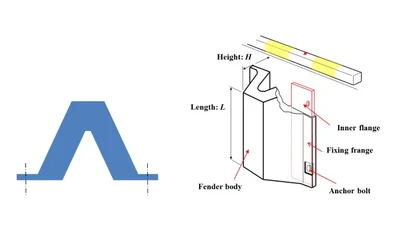 Rubber fenders without fender panelsDecember 16, 2024V-type rubber fenders are considered as rubber fenders without fender panels. A V-type rubber fender has a V-shaped cross section with steel plates embedded in the fixing flange portion for installati...view
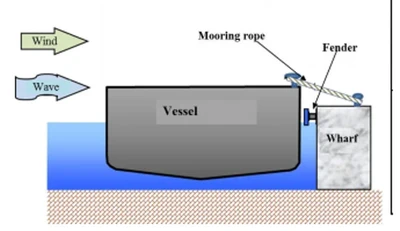 The role of rubber fenders part 2December 16, 2024A rubber fender is a shock absorber installed on a quay to absorb the mooring energy of the vessel to be moored.The energy of berthing. As the various types of rubber fenders are manufactured to suit ...view
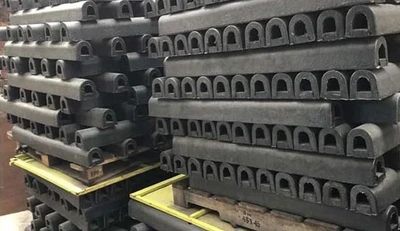 How to improve the wear resistance of D-type rubber fender?December 16, 2024The method to improve the wear resistance of Type D rubber fender is as follows:a. Choose polyurethane rubber, natural rubber, butadiene rubber, styrene butadiene rubber, neoprene rubber, nitrile rubb...view
 The Material Characteristics of UHMWPE FendersSeptember 24, 2025UHMWPE fenders use ultra-high molecular weight polyethylene (UHMWPE) material, which has been widely used in the field of ship protection due to its excellent performance. Compared with traditional in...view
 English
  français
  Español
  русский
  Türkçe