
Cylindrical rubber fenders are widely used for ship protection because of their simple structure, excellent energy absorption, and reliable performance under different operating conditions. They are commonly installed on vessels, offshore platforms, and marine facilities to reduce impact forces between vessels and surrounding structures.
A properly selected cylindrical boat fender provides effective protection for vessels by absorbing berthing energy while maintaining controlled reaction force. The right fender solution depends on vessel size, berthing conditions, installation position, and operational requirements.
A cylindrical rubber fender is mainly used as a protective buffer between ships and marine structures. Its flexible rubber body absorbs kinetic energy generated during vessel approach and prevents direct contact damage.
Typical applications include:
Tugboats and workboats
Ship-to-ship transfer operations
Offshore platforms
Floating docks and pontoons
Small and medium-sized vessels
Due to its durability and adaptability, the cylindrical rubber fender is widely preferred for general marine protection applications.
The popularity of cylindrical fenders comes from several key performance advantages:
The cylindrical design allows the rubber body to compress and deform effectively during impact, converting vessel kinetic energy into elastic deformation energy.
This helps minimize damage to:
Vessel hull structures
Berthing equipment
Marine infrastructure
Compared with more complex fender systems, a cylindrical rubber fender offers easy installation using chains, brackets, or support frames. Its flexible mounting options make it suitable for various vessel configurations.
High-quality rubber compounds provide resistance against:
Seawater corrosion
UV exposure
Weather changes
Repeated compression cycles
This makes cylindrical fenders a cost-effective solution for long-term marine operations.
Selecting the correct cylindrical rubber fender requires evaluating several technical factors:
The vessel displacement, size, and berthing speed directly influence the required fender capacity. Larger vessels require fenders with higher energy absorption performance.
The fender system must be designed according to the calculated berthing energy. Insufficient capacity may cause structural damage, while oversized fenders may increase project costs unnecessarily.
A suitable cylindrical rubber fender should provide sufficient energy absorption while keeping reaction force within acceptable limits for the vessel and surrounding structure.
Important considerations include:
Available installation space
Tidal range
Vessel movement
Contact angle
Maintenance accessibility
A cylindrical boat fender is widely applied in marine environments where reliable impact protection is required.
Common installation locations include:
Tugboats often experience repeated contact during operations, making durable rubber fenders essential for daily protection.
Offshore platforms and floating facilities use cylindrical fenders to handle vessel movement caused by waves, tides, and currents.
Cylindrical fenders can be used during ship-to-ship operations to reduce direct contact and protect vessel hulls from impact damage.
Floating docks benefit from cylindrical fenders because of their flexibility and ability to accommodate changing water levels.
The service life of a cylindrical rubber fender depends on material quality, operating environment, and maintenance conditions. High-quality marine rubber fenders can typically provide many years of reliable performance when properly selected and maintained.
Factors affecting lifespan include:
Rubber formulation
Frequency of vessel impact
Environmental exposure
Installation quality
Regular inspection and maintenance
Routine inspections help identify cracks, deformation, and connection issues before they affect performance.
Compared with specialized fender systems such as cone or cell fenders, cylindrical fenders provide a simpler and more economical solution for many general marine applications.
Key advantages include:
Easy installation
Flexible application range
Reliable impact resistance
Lower maintenance requirements
Suitable performance for various vessel types
For heavy-duty marine applications requiring extremely high energy absorption, other advanced fender designs may be considered based on engineering calculations.
Professional manufacturers provide more than standard products. They offer engineering support to ensure the selected cylindrical rubber fender matches actual vessel and project requirements.
A reliable supplier can assist with:
Fender size selection
Performance calculation
Material specifications
Installation guidance
Customized solutions
Proper fender selection improves vessel safety, reduces maintenance costs, and extends the service life of marine equipment.
Cylindrical rubber fenders remain an important component of marine vessel protection due to their durability, flexibility, and reliable energy absorption performance. From tugboats to offshore facilities, a properly designed cylindrical boat fender helps protect vessels and surrounding structures while improving operational safety.
Choosing the right cylindrical rubber fender requires professional evaluation of vessel conditions, berthing energy, and installation requirements. Working with an experienced marine fender manufacturer ensures a reliable and cost-effective solution for long-term marine protection.
A cylindrical rubber fender is used to absorb vessel impact energy during berthing and protect ships and marine structures from damage.
Yes. With proper size selection and engineering calculation, a cylindrical boat fender can be used for various vessel applications. Larger vessels require higher-capacity models.
Cylindrical fenders are commonly installed using chains, brackets, or mounting systems depending on vessel design and operational requirements.
Regular inspections are recommended to check rubber condition, deformation, mounting connections, and overall performance. Inspection frequency depends on operating conditions.
Yes. Professional manufacturers can customize cylindrical rubber fenders according to vessel size, energy requirements, installation space, and specific marine applications.
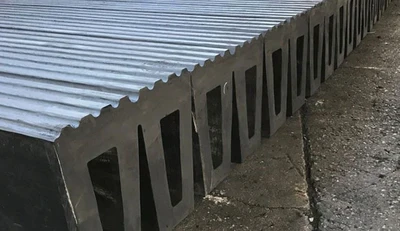 A Kind of Full-Rotation TugboatDecember 16, 2024The full-rotation tugboat comprises a boat body, a main engine and a propeller, wherein circular rubber fenders are installed at a head, stern and middle part of the boat body;a V-shaped dead wood is ...view
 Main Types and Characteristics of Marine Rubber FendersSeptember 24, 2025Marine rubber fenders, often referred to as rubber buffers, are protective devices installed on docks or ships to effectively absorb the collision energy generated between ships and docks during berth...view
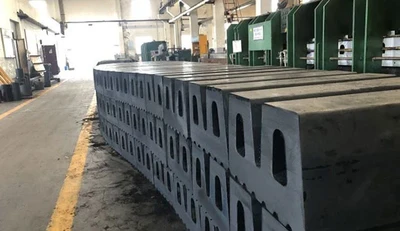 Requirements for the construction of rubber fendersDecember 16, 20241. All construction teams must follow the various management plans of the project department,comply with management,and achieve safe production and civilized construction.2. On-site construction worke...view
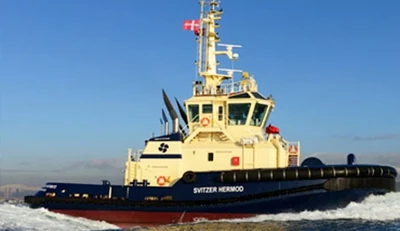 D Type Rubber Fenders with Fender FrameDecember 16, 2024view
 English
  français
  Español
  русский
  Türkçe