
W rubber fenders are widely used in marine applications because of their high energy absorption, strong durability, and excellent adaptability to vessel movements. Their unique W-shaped profile provides stable compression performance, making them especially suitable for tugboats, workboats, and vessels operating in demanding marine environments.
A properly selected W rubber fender system helps reduce impact forces, protect vessel hulls, and improve vessel safety. The right selection depends on vessel type, operating conditions, installation structure, and operational requirements.
A W rubber fender is a specially designed marine fender with a W-shaped cross-section that provides flexible deformation and efficient energy absorption during vessel contact.
It is commonly installed on:
Tugboats
Workboats
Floating vessels
Shipyards
Offshore service vessels
Marine repair vessels
Due to its excellent flexibility and resistance to repeated impact, the tug fender has become a preferred protection solution for vessels that require frequent side contact during operations.
The design advantages of W rubber fenders make them suitable for various marine environments.
The W-shaped structure allows the rubber body to compress effectively under pressure. This design distributes impact forces more evenly and reduces stress concentration during vessel contact.
Compared with conventional rubber profiles, W fenders provide:
High energy absorption capacity
Controlled reaction force
Stable compression performance
Reliable impact protection
These characteristics make them ideal for protecting vessels and surrounding marine equipment.
Tugboats often experience frequent contact with ships and offshore structures. A durable tug fender must withstand repeated compression while maintaining its original performance.
The flexible design of W fenders allows them to adapt to different contact angles and vessel movements, making them highly effective for tugboat applications.
Marine equipment operates under challenging conditions, including seawater exposure, temperature changes, and continuous mechanical stress.
High-quality boat rubber fenders are manufactured with durable rubber compounds that provide resistance against:
Abrasion
Aging
Weather exposure
Repeated deformation
Seawater conditions
This ensures long service life with reduced maintenance requirements.
When a vessel approaches another vessel or a marine structure, the W rubber fender compresses and absorbs the kinetic energy generated during contact.
The rubber structure then gradually releases the stored energy, reducing the impact transferred to:
Vessel hulls
Marine equipment
Surrounding structures
This energy absorption mechanism helps maintain safe vessel operations and minimizes repair costs.
The most common application of tug fenders is on tugboats and workboats. These vessels frequently perform pushing, towing, and maneuvering operations, requiring fenders that can withstand repeated impacts.
Shipyards and repair vessels require flexible fender systems because vessels may approach from different angles during maintenance and repair operations.
Floating vessels experience constant movement caused by waves and tides. W fenders provide reliable protection by accommodating dynamic vessel movements.
Offshore service vessels and marine service facilities use boat rubber fenders to protect vessels and equipment during vessel approach and positioning operations.
Selecting the correct W rubber fender requires evaluating several technical factors:
Different vessels generate different impact forces. Tugboats, workboats, and service vessels usually require fenders designed for frequent contact and high durability.
The fender capacity should match the expected berthing energy. An incorrectly sized fender may lead to insufficient protection or unnecessary project costs.
The available mounting area affects fender size and configuration. Proper installation ensures maximum performance and service life.
High-quality rubber materials and strict production processes are essential for maintaining long-term performance in marine environments.
The service life of a W rubber fender depends on material quality, operating conditions, and maintenance practices. Properly manufactured and installed fenders can provide many years of reliable protection.
Factors affecting lifespan include:
Frequency of vessel contact
Environmental conditions
Rubber compound quality
Installation method
Regular inspection
Routine maintenance helps identify surface damage, deformation, or mounting issues before they affect fender performance.
Compared with traditional cylindrical or rectangular fenders, W fenders offer unique advantages in flexibility and contact adaptability.
Key benefits include:
Better compression flexibility
Higher resistance to repeated impact
Suitable for angled contact
Easy installation
Effective protection for small and medium vessels
For specialized applications, engineers may select different fender types based on energy requirements and vessel operating conditions.
A professional manufacturer can provide customized solutions based on actual marine vessel requirements.
Experienced suppliers can assist with:
Fender size selection
Performance calculation
Installation recommendations
Material specifications
Customized designs
Working with a reliable manufacturer ensures that the selected W rubber fender delivers safe, durable, and cost-effective performance.
W rubber fenders provide an effective solution for modern marine vessel protection systems due to their flexible design, high energy absorption, and excellent durability. They are especially suitable for tugboats, workboats, floating vessels, and offshore applications where repeated vessel contact occurs.
Selecting the right tug fender or boat rubber fender requires professional evaluation of vessel conditions, impact energy, and installation requirements. A properly designed W fender system improves operational safety, reduces maintenance costs, and extends the service life of marine vessels and equipment.
A W rubber fender is used to absorb vessel impact energy and protect ships and marine structures during vessel operations.
Tug fenders are designed for frequent contact situations. Their flexible structure allows them to handle repeated compression and different contact angles during tugboat operations.
Yes. Boat rubber fenders are suitable for many small and medium vessel applications, including workboats, service boats, and floating vessels.
Regular inspections should check for rubber cracks, deformation, wear, and mounting conditions. Proper maintenance helps extend service life.
Yes. Professional manufacturers can customize W rubber fenders according to vessel requirements, installation conditions, and marine operating environments.
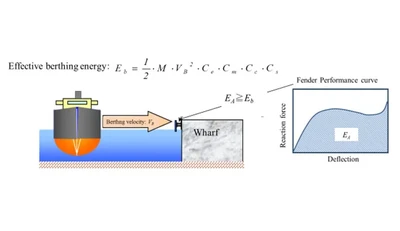 The role of rubber fenders part 1December 16, 2024A rubber fender is a shock absorber installed on a wharf to absorb the berthing energy of a vessel. Timber and old tires were used as shock absorbers until the first rubber fenders were developed in t...view
 What is a Composite Rubber Fender? Key Benefits vs. Traditional Rubber FendersDecember 10, 2025Introduction: The Evolution of Marine FenderingIn the demanding world of marine infrastructure, where ports, docks, and vessels face constant impacts from waves, tides, and berthing operations, protec...view
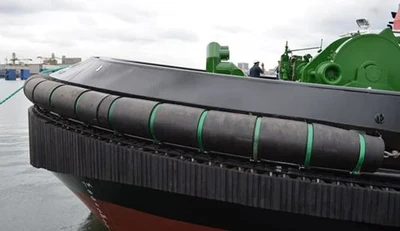 Five types of popular tug boat fendersDecember 16, 2024Tug boat fenders are high abrasion resistance rubber fenders used to protect the vessel and the other surface during contact. Boat fenders are also known as boat bumpers, rubber fenders and marine fen...view
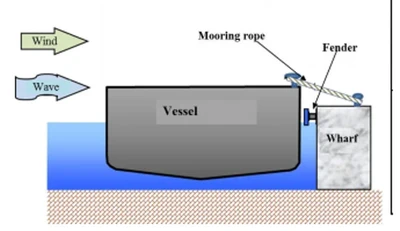 The role of rubber fenders part 2December 16, 2024A rubber fender is a shock absorber installed on a quay to absorb the mooring energy of the vessel to be moored.The energy of berthing. As the various types of rubber fenders are manufactured to suit ...view
 English
  français
  Español
  русский
  Türkçe